
The Ultimate Guide to Proper Insulin Storage Tips for Optimal Management

Managing insulin effectively is a crucial part of living well with diabetes. One key aspect that often gets overlooked is how to store insulin properly. Incorrect storage can reduce insulin’s effectiveness, leading to poor blood sugar control and potential health risks. This guide offers clear, practical advice on storing insulin safely, whether at home or on the go, so you can feel confident in your diabetes management.

Understanding Insulin Storage Basics
Insulin is a delicate medication that requires specific conditions to maintain its potency. Temperature control is the most important factor. Insulin should be kept within a certain temperature range to avoid damage.
Optimal temperature range: Between 36°F and 46°F (2°C to 8°C) when unopened.
Avoid freezing: Insulin that freezes loses effectiveness and should never be used.
Avoid heat: Temperatures above 86°F (30°C) can degrade insulin quickly.
Unopened insulin vials or pens should be stored in the refrigerator to keep them fresh until their expiration date. Once opened, insulin can be kept at room temperature but only for a limited time.
Differences Between Opened and Unopened Insulin
Knowing how to handle opened versus unopened insulin is essential for safe use.
Unopened Insulin
Store in the refrigerator between 36°F and 46°F.
Keep away from the freezer compartment or any part of the fridge that might freeze the insulin.
Check the expiration date printed on the packaging.
Do not use insulin past its expiration date, even if it looks clear and normal.
Opened Insulin
Can be kept at room temperature, ideally below 86°F (30°C).
Use within 28 days of opening, unless the manufacturer specifies otherwise.
Avoid direct sunlight and heat sources.
Store in a clean, dry place away from extreme temperatures.
For example, if you open a vial of insulin on May 1, you should discard it by May 29, even if there is insulin left. This helps ensure the medication remains effective.
Best Storage Locations at Home
Choosing the right spot to store insulin at home can make a big difference.
Refrigerator: The main storage place for unopened insulin. Use the middle or lower shelves where temperature is most stable.
Avoid the freezer door: The temperature fluctuates here and may freeze insulin.
Away from light: Insulin should be kept in its original packaging or a protective case to shield it from light.
Room temperature storage: For opened insulin, a cool, dry cabinet or drawer away from heat sources is best.
Avoid storing insulin in places like the bathroom or near the stove, where humidity and heat can damage it.
Tips for Traveling with Insulin
Traveling with insulin requires extra care to keep it safe and effective.
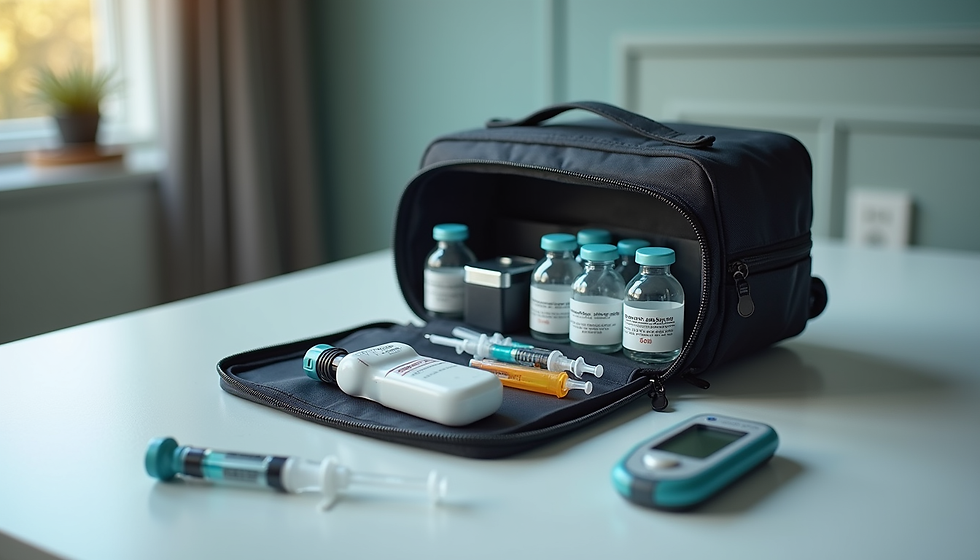
Use an insulated travel case: These cases help maintain a stable temperature.
Carry a thermometer: Some travel cases include a thermometer to monitor temperature.
Keep insulin with you: Always carry insulin in your hand luggage, not in checked baggage.
Plan for time zones: Adjust insulin timing carefully if crossing time zones.
Avoid extreme temperatures: Don’t leave insulin in a hot car or in direct sunlight.
Use cool packs: If traveling in hot climates, use gel packs designed for medication transport, but avoid direct contact with insulin vials to prevent freezing.
For example, if you are flying to a warm destination, pack your insulin in an insulated bag with cool packs and keep it close to you during the flight.
Managing Insulin in Various Environments
Different environments pose unique challenges for insulin storage.
Hot Climates
Use insulated bags with cooling elements.
Avoid leaving insulin in cars or outdoors.
Store opened insulin in shaded, cool areas.
Cold Climates
Prevent insulin from freezing by keeping it close to your body or in insulated containers.
Avoid placing insulin directly on heating devices.
Humid Environments
Keep insulin in airtight containers to protect from moisture.
Avoid bathrooms or other damp areas.
Checking Insulin for Signs of Damage
Before using insulin, always inspect it carefully.
Appearance: Insulin should be clear (except for some cloudy types like NPH). Look for clumps, particles, or discoloration.
Smell: Insulin should not have a strange or sour odor.
Expiration: Never use insulin past its expiration date or beyond the recommended period after opening.
If you notice any abnormalities, discard the insulin and replace it.
Summary of Key Insulin Storage Tips
Store unopened insulin in the refrigerator between 36°F and 46°F.
Do not freeze insulin or expose it to heat above 86°F.
Use opened insulin within 28 days at room temperature.
Protect insulin from light and moisture.
Use insulated cases and cool packs when traveling.
Inspect insulin before use for any signs of damage.


Comments