
Essential Steps for Diabetes Emergency Preparedness to Stay Safe and Informed

Living with diabetes requires constant attention to health and well-being. When an emergency strikes, whether a natural disaster, power outage, or personal crisis, managing diabetes becomes even more critical. Without proper preparation, emergencies can disrupt access to medications, supplies, and support, putting individuals with diabetes at risk. This post outlines essential steps to prepare for emergencies, helping you stay safe, maintain control over your blood sugar, and communicate effectively with those who support you.

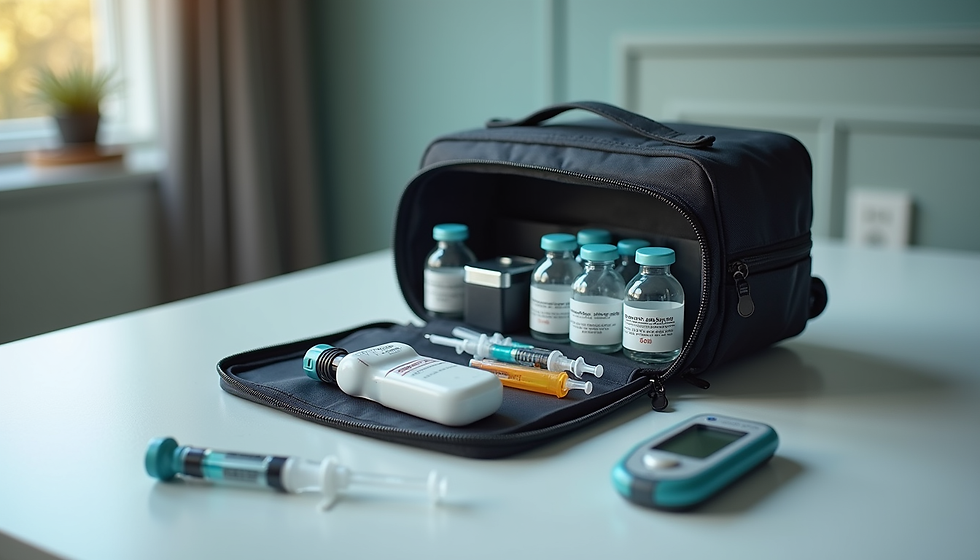
Build a Diabetes Emergency Kit with Necessary Supplies
A well-stocked emergency kit is the foundation of diabetes preparedness. It ensures you have everything needed to manage your condition when usual routines are disrupted.
What to Include in Your Kit
Insulin and Medications
Pack at least a 3-day supply of insulin or other diabetes medications. Include syringes, pens, or pumps as needed. Store medications in a cool, insulated container if refrigeration is unavailable.
Blood Glucose Monitoring Supplies
Bring your glucose meter, extra batteries, test strips, lancets, and a logbook to record readings.
Fast-Acting Carbohydrates
Keep glucose tablets, juice boxes, or candies to treat low blood sugar quickly.
Long-Lasting Food and Water
Include non-perishable snacks like granola bars and bottled water to maintain energy and hydration.
Medical Documents
Carry a list of medications, dosages, allergies, emergency contacts, and your healthcare provider’s information.
Other Essentials
Include a glucagon emergency kit if prescribed, alcohol swabs, a sharps container, and a flashlight with extra batteries.
Tips for Maintaining Your Kit
Check expiration dates every six months and replace used or expired items.
Store your kit in an easy-to-access location known to family and caregivers.
Customize your kit based on your specific diabetes management plan and lifestyle.
Develop a Communication Plan with Family and Caregivers
Emergencies can cause confusion and delay help if your support network is not informed about your needs.
Steps to Create an Effective Plan
Share Your Emergency Kit Location
Make sure family members and caregivers know where your diabetes supplies are stored.
Provide Medical Information
Give trusted individuals a copy of your medical documents, including your diabetes care plan and emergency contacts.
Establish Check-In Procedures
Agree on regular check-ins during emergencies to monitor your condition and provide assistance if needed.
Use Technology
Set up phone contacts, emergency alert apps, or wearable devices that can notify caregivers if you need help.
Prepare for Communication Barriers
Have written instructions or emergency cards that explain your condition and treatment in case you cannot speak.
Manage Blood Sugar Levels During Emergencies
Stress, changes in routine, and limited access to food or medication can affect blood sugar control. Being proactive helps avoid dangerous highs or lows.
Practical Tips for Blood Sugar Management
Monitor Frequently
Check your blood sugar more often than usual to catch fluctuations early.
Adjust Medication if Needed
Consult your healthcare provider about temporary changes in insulin or medication doses during emergencies.
Stay Hydrated
Drink water regularly to prevent dehydration, which can affect blood sugar.
Eat Balanced Meals
Use your emergency food supplies wisely to maintain consistent carbohydrate intake.
Recognize Symptoms
Know the signs of hypoglycemia (shaking, sweating, confusion) and hyperglycemia (excessive thirst, frequent urination) and act promptly.
Have Glucagon Ready
If you are at risk for severe low blood sugar, keep a glucagon kit accessible and ensure someone nearby knows how to use it.
Wear Medical Identification at All Times
Wearing medical ID can save your life in an emergency when you might not be able to communicate your condition.
Why Medical ID Matters
Immediate Recognition
First responders and bystanders can quickly identify your diabetes and provide appropriate care.
Avoid Misdiagnosis
Medical ID helps prevent confusion with other conditions, such as intoxication or stroke.
Peace of Mind
Knowing help will understand your needs reduces anxiety during emergencies.
Options for Medical Identification
Bracelets or necklaces engraved with your diabetes type and emergency contacts.
Medical ID cards or wallet inserts.
Smart devices or apps that store medical information accessible to responders.
Access Resources for Education and Support
Staying informed and connected strengthens your ability to handle emergencies effectively.
Useful Resources
American Diabetes Association (ADA)
Offers guides on emergency preparedness and diabetes management.
Centers for Disease Control and Prevention (CDC)
Provides emergency planning tips tailored for people with chronic conditions.
Local Diabetes Support Groups
Connect with others who share experiences and advice on managing diabetes in crises.
Healthcare Providers
Discuss your emergency plan regularly and update it as needed.
Online Tools and Apps
Use apps for medication reminders, glucose tracking, and emergency alerts.


Comments