
Essential Tips for Storing Insulin Safely in Hot Weather

Insulin is a vital medication for millions of people managing diabetes. Its effectiveness depends heavily on proper storage, especially when temperatures rise. Exposure to heat can degrade insulin, making it less effective and potentially risking blood sugar control. Understanding how to store insulin safely during hot weather is crucial for patients and caregivers alike. This guide offers practical advice to keep insulin cool at home and while traveling, explains the risks of heat exposure, and provides actionable tips to protect this essential medicine.

Why Proper Insulin Storage Matters
Insulin is a protein that can lose potency if exposed to temperatures outside the recommended range. Most insulin types should be stored between 2°C and 8°C (36°F and 46°F) when unopened. Once opened or in use, many insulin products can be kept at room temperature, usually up to 25°C (77°F), but this varies by brand and type.
When insulin is exposed to heat:
It can break down, reducing its ability to lower blood sugar.
It may cause unpredictable blood sugar levels, leading to hyperglycemia or hypoglycemia.
Using degraded insulin can result in poor diabetes management and increase the risk of complications.
Because hot weather can easily push temperatures beyond safe limits, especially during summer or in warm climates, careful storage is essential.
Risks of Using Insulin Exposed to High Temperatures
Using insulin that has been exposed to heat can have serious consequences:
Reduced effectiveness: Insulin molecules can denature, meaning they lose their shape and function.
Unstable blood sugar control: Patients may experience unexpected highs or lows.
Wasted medication: Insulin that has lost potency must be replaced, increasing costs.
Health risks: Poor glucose control can lead to symptoms like fatigue, blurred vision, and in severe cases, diabetic ketoacidosis.
Research shows that insulin exposed to temperatures above 30°C (86°F) for extended periods can lose up to 20% of its potency within a few days. This loss can be even faster if insulin is left in direct sunlight or inside a hot car.
Tips for Keeping Insulin Cool at Home
Keeping insulin cool at home during hot weather requires some planning but is manageable with these strategies:
Use a dedicated refrigerator section
Store unopened insulin in the main compartment of the fridge, not the freezer or door, where temperatures fluctuate.
Avoid freezing insulin
Freezing damages insulin just as much as heat. Keep insulin away from freezer vents.
Keep insulin away from direct sunlight
Store insulin in a dark, cool place if refrigeration is not available.
Use an insulated container
If your home gets very warm, consider placing insulin in an insulated box with cooling packs.
Monitor refrigerator temperature
Use a thermometer to ensure the fridge stays between 2°C and 8°C.
Do not store insulin in the bathroom or kitchen
These areas often have temperature and humidity changes that can affect insulin.
How to Keep Insulin Cool While Traveling
Traveling in hot weather presents unique challenges for insulin storage. Here are practical tips:
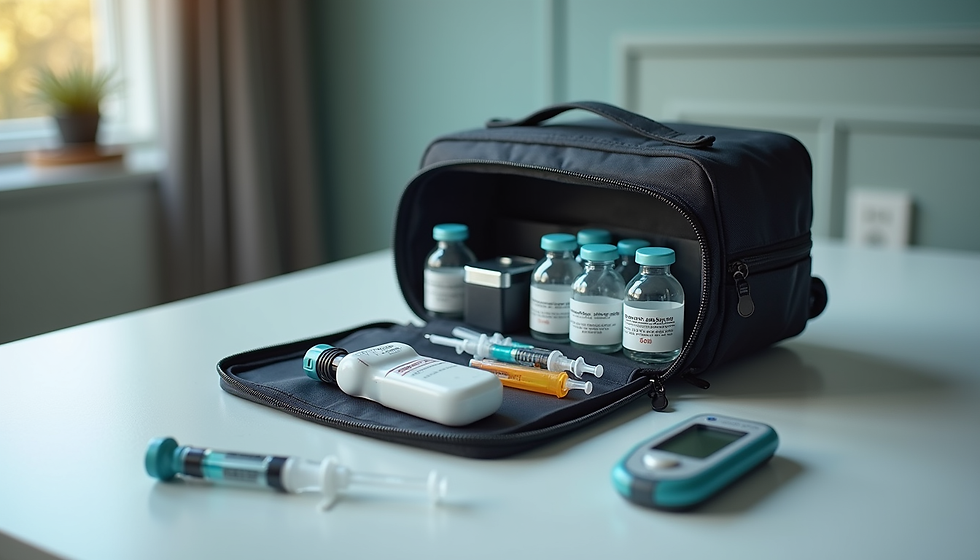
Use a portable cooler or insulated bag
Specially designed insulin travel cases with cooling packs help maintain safe temperatures.
Avoid storing insulin in checked luggage
Airplane cargo holds can reach extreme temperatures.
Keep insulin with you in carry-on luggage
This allows you to control storage conditions.
Use temperature monitoring devices
Small digital thermometers or temperature indicators can alert you if insulin gets too warm.
Plan for time outside refrigeration
Many insulin types can be kept at room temperature for 28 days or more, but check your product’s guidelines.
Ask for advice at your destination
If staying in a hotel, request a mini-fridge or use a cooler bag.
Avoid leaving insulin in parked cars
Temperatures inside cars can rise rapidly, damaging insulin.
Practical Advice for Patients and Caregivers
To ensure insulin remains safe and effective, patients and caregivers should:
Read and follow manufacturer storage instructions
Each insulin brand may have specific guidelines.
Inspect insulin before use
Look for changes in color, cloudiness, or clumps. If insulin looks unusual, do not use it.
Keep a backup supply
Have extra insulin stored properly in case of emergencies.
Educate family and caregivers
Make sure everyone involved understands the importance of proper storage.
Use reminders
Set alarms or notes to check insulin storage regularly.
Dispose of insulin safely
Do not use insulin past its expiration date or if it has been exposed to extreme temperatures.
Consult healthcare providers
If unsure about insulin storage or if you suspect insulin has been compromised, ask your doctor or pharmacist.
Summary
Proper insulin storage in hot weather is essential to maintain its effectiveness and ensure safe diabetes management. Heat can degrade insulin quickly, leading to poor blood sugar control and health risks. By storing insulin in the refrigerator at home, using insulated containers, and taking precautions during travel, patients and caregivers can protect this vital medication. Regularly checking insulin for signs of damage and following manufacturer guidelines helps avoid complications. Taking these steps supports better health outcomes and peace of mind during warm seasons.


Comments