
Why Your Glucose Meter Might Give Different Readings Each Time
- mds diabetes
- 13 hours ago
- 3 min read

You prick your finger, check your blood sugar, and get a reading — then check again a minute later and see a different number. Sound familiar? Glucose meter different readings variability is one of the most common concerns among people managing diabetes, and the good news is that it usually has a simple explanation.
Is Some Variability Actually Normal?
Yes — a small amount of variation between readings is completely expected. Most glucose meters are FDA-approved to be within 15% of your actual blood sugar level, so minor differences don't always signal a problem.
A reading of 100 mg/dL could legitimately show anywhere from 85 to 115 mg/dL
Two back-to-back readings can differ slightly even with perfect technique
Variability under 15% is generally considered acceptable by clinical standards
Always look at trends over time rather than one single reading
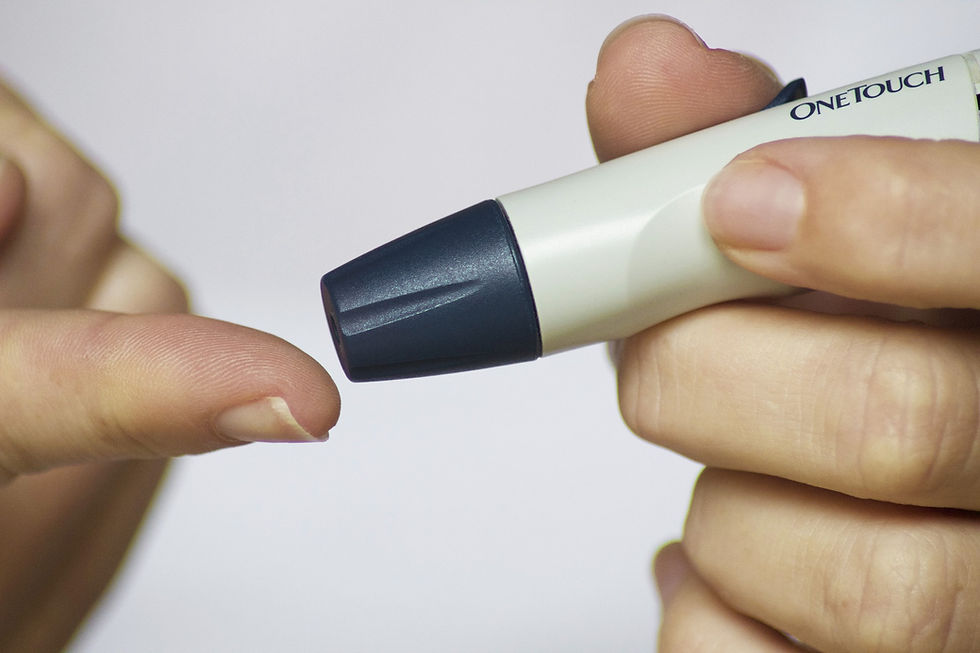
Your Finger-Stick Technique Matters More Than You Think
How you collect your blood sample has a huge impact on the accuracy of your results. Small technique mistakes are one of the biggest causes of glucose meter different readings variability.
Squeezing or milking your finger can dilute the blood sample
Not washing hands before testing can leave sugar residue on your skin
Using the side of your fingertip gives a better sample than the very tip
A too-small blood drop may cause an inaccurate reading
Alternating fingers helps prevent calluses that affect blood flow
Test Strips: A Surprisingly Common Culprit
Your test strips play a critical role in every reading you take. Expired, damaged, or improperly stored strips are a leading cause of inconsistent glucose meter readings.
Always check the expiration date printed on your strip container
Heat, humidity, and sunlight can degrade strips even before they expire
Never store strips in the bathroom or in your car
Make sure the strip code matches your meter if your device requires coding
Keep strips in their original sealed container with the cap tightly closed
Your Meter Itself Could Be the Issue
Even a well-maintained glucose meter can produce variable readings if it's not cleaned or calibrated regularly. Dirt, residue, or an aging device can all affect performance. Most manufacturers recommend replacing your meter every few years for optimal accuracy.
Blood Sugar Naturally Fluctuates Throughout the Day
Your blood glucose level is not a static number — it rises and falls constantly based on food, activity, stress, and more. Testing at slightly different times, even minutes apart, can genuinely produce different readings because your body's chemistry is always changing.
Blood sugar rises after eating and gradually comes back down
Physical activity can lower blood sugar quickly
Stress hormones like cortisol can temporarily raise glucose levels
Illness or dehydration also affects your readings
Hormonal changes throughout the day create natural fluctuations
When to Be Concerned About Reading Differences
While some variability is normal, large or consistent differences between readings deserve attention. If your numbers seem wildly inconsistent or don't match how you feel, it's worth troubleshooting your supplies and technique — or speaking with your healthcare provider.
Differences greater than 20% between readings may signal a problem
Compare your meter to a lab test result to check its accuracy
If your strips are new and technique is correct, consider replacing your meter
Always tell your doctor if your readings feel unreliable
Shop Diabetes Supplies at MDS Diabetes
At MDS Diabetes, we make it easy to get the reliable glucose meters, fresh test strips, and quality supplies you need to monitor your blood sugar with confidence. Visit us at mdsdiabetes.com or call us at (877) 861-3571 — our friendly team is ready to help you find exactly what you need.


Comments