
Understanding the Key Differences Between Blood Glucose Monitoring and CGM
- mds diabetes
- 6 days ago
- 4 min read

Managing blood sugar levels is a crucial part of life for many people, especially those living with diabetes. Two common methods help track glucose levels: traditional blood glucose monitoring and continuous glucose monitoring (CGM). While both serve the same purpose of providing information about blood sugar, they work in very different ways and offer unique benefits and challenges. This post breaks down the key differences between these two approaches to help you understand which might suit your needs best.

How Blood Glucose Monitoring Works
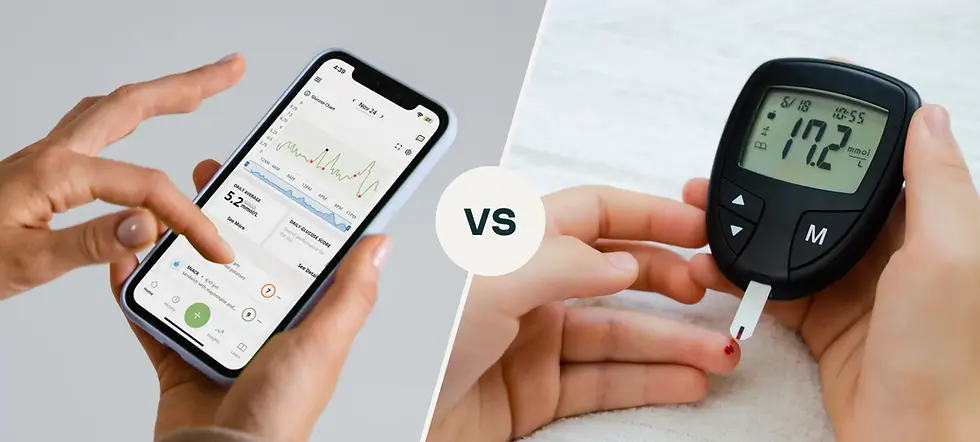
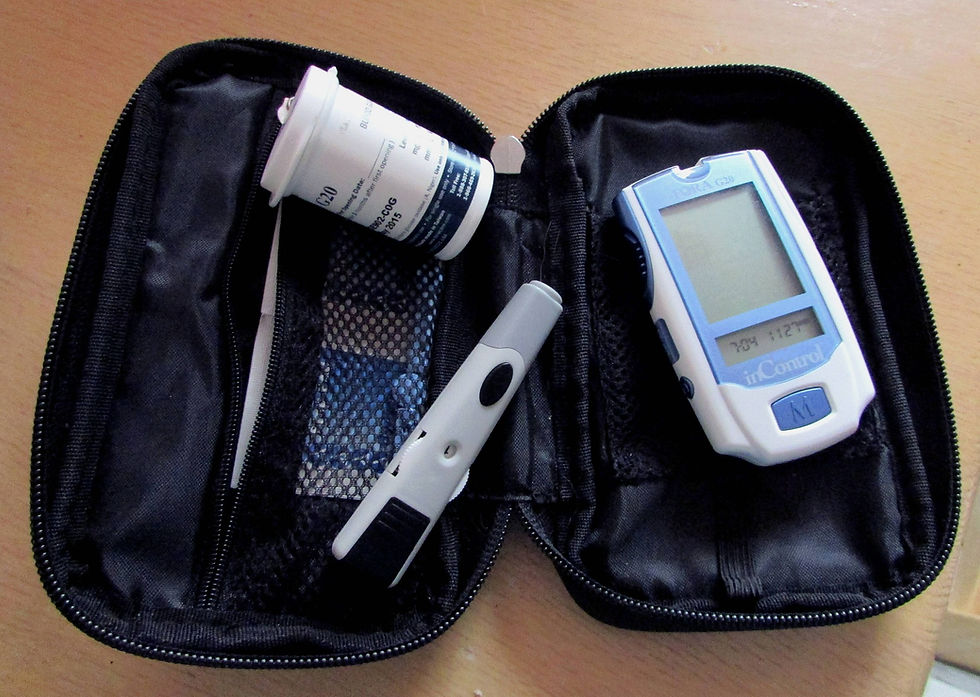
Blood glucose monitoring is the traditional method used for decades. It involves pricking the finger to draw a small drop of blood, which is then placed on a test strip inserted into a glucose meter. The meter analyzes the blood sample and provides a glucose reading, usually within seconds.
Key Features of Blood Glucose Monitoring
Spot checks: You get a glucose reading only when you test.
Manual process: Requires finger pricks multiple times a day.
Immediate results: Provides a snapshot of glucose at that moment.
Affordable and accessible: Test strips and meters are widely available and often covered by insurance.
This method is straightforward and effective for many people. However, it only gives you glucose levels at specific points in time. You might miss important fluctuations that happen between tests.
What is Continuous Glucose Monitoring (CGM)?
Continuous glucose monitoring uses a small sensor inserted under the skin, usually on the arm or abdomen. This sensor measures glucose levels in the interstitial fluid every few minutes and sends the data wirelessly to a receiver or smartphone app.
Key Features of CGM
Real-time tracking: Glucose levels update every 5 to 15 minutes.
Trend information: Shows whether glucose is rising, falling, or stable.
Alerts and alarms: Can notify users of dangerously high or low glucose levels.
Less finger pricking: Many CGM systems reduce or eliminate the need for routine finger sticks.
CGM provides a continuous stream of data, giving a fuller picture of glucose patterns throughout the day and night. This can help users make more informed decisions about food, activity, and medication.

Comparing Accuracy and Convenience
Accuracy is a common concern when choosing between these methods. Blood glucose meters measure glucose directly from blood, which tends to be very accurate when used correctly. CGM sensors measure glucose in the fluid between cells, which can lag behind blood glucose by about 5 to 15 minutes. This means CGM readings might not always match fingerstick results exactly, especially during rapid changes.
Despite this, CGM technology has improved significantly, and many devices now meet accuracy standards suitable for making treatment decisions. Some users still perform occasional fingerstick tests to confirm CGM readings.
In terms of convenience, CGM wins for continuous data and fewer finger pricks. However, it requires wearing a sensor continuously and changing it every 7 to 14 days depending on the device. Blood glucose monitoring requires no wearable device but involves multiple daily finger pricks.
Who Benefits Most from Each Method?
Blood Glucose Monitoring is Ideal For:
People newly diagnosed with diabetes learning to manage their condition.
Those who prefer a simple, low-cost method.
Individuals with type 2 diabetes who do not require intensive insulin therapy.
Users who want to test only at specific times, such as before meals or exercise.
CGM is Ideal For:
People with type 1 diabetes or insulin-dependent type 2 diabetes.
Those who experience frequent hypoglycemia or wide glucose swings.
Individuals who want to optimize glucose control with detailed data.
Users who want alerts for high or low glucose to prevent emergencies.
Practical Examples of Use
Imagine Sarah, who has type 1 diabetes. She uses a CGM to track her glucose throughout the day. The device alerts her when her levels drop during exercise, allowing her to eat a snack before hypoglycemia occurs. She also sees trends that help her adjust insulin doses more precisely.
On the other hand, John has type 2 diabetes and manages it with diet and oral medication. He checks his blood sugar twice a day with a glucose meter to ensure his levels stay within target. He finds this method simple and sufficient for his needs.
Cost Considerations
Cost is an important factor. Blood glucose meters are generally less expensive upfront, and test strips cost vary but are usually affordable. CGM systems have higher initial costs for the device and ongoing costs for sensors, which need regular replacement.
Insurance coverage can make CGM more accessible, especially for people with type 1 diabetes or those who meet specific criteria. It is important to check with your healthcare provider and insurance plan to understand what is covered.
Final Thoughts on Choosing the Right Method
Both blood glucose monitoring and continuous glucose monitoring provide valuable information for managing diabetes. The choice depends on your lifestyle, medical needs, budget, and personal preferences.
If you want detailed, real-time data and fewer finger pricks, CGM offers a powerful tool. If you prefer a simpler, cost-effective method and are comfortable with periodic testing, traditional blood glucose monitoring remains a reliable option.
Talk with your healthcare provider about your goals and challenges. They can help you decide which method fits your situation best and support you in using it effectively.


Comments