
Understanding Control Solutions: Essential Insights and Optimal Usage Times
- mds diabetes
- 6 days ago
- 3 min read

Control solutions play a crucial role in many scientific and industrial processes. They help ensure accuracy, reliability, and consistency in experiments, manufacturing, and quality control. But what exactly is a control solution, and when should you use one? This post breaks down the concept, explains its importance, and highlights practical situations where control solutions make a difference.

What Is a Control Solution?
A control solution is a liquid or substance with a known and stable concentration of a specific analyte or chemical component. It serves as a reference point to check the accuracy and precision of measurement instruments or testing methods. By comparing test results against the control solution, users can detect errors, calibrate devices, and validate procedures.
Control solutions are common in fields like:
Clinical diagnostics (e.g., blood glucose meters)
Environmental testing (e.g., water quality analysis)
Food and beverage quality control
Chemical manufacturing
The key feature of a control solution is its known concentration and consistency. This allows it to act as a benchmark for evaluating the performance of instruments or assays.
Why Use Control Solutions?
Using control solutions helps maintain confidence in test results. Without them, it is difficult to know if a measurement is accurate or if an instrument is malfunctioning. Here are some reasons to use control solutions:
Calibration: Adjust instruments to produce correct readings.
Quality assurance: Confirm that testing methods produce reliable results over time.
Troubleshooting: Identify when equipment or reagents are faulty.
Compliance: Meet regulatory standards that require regular validation.
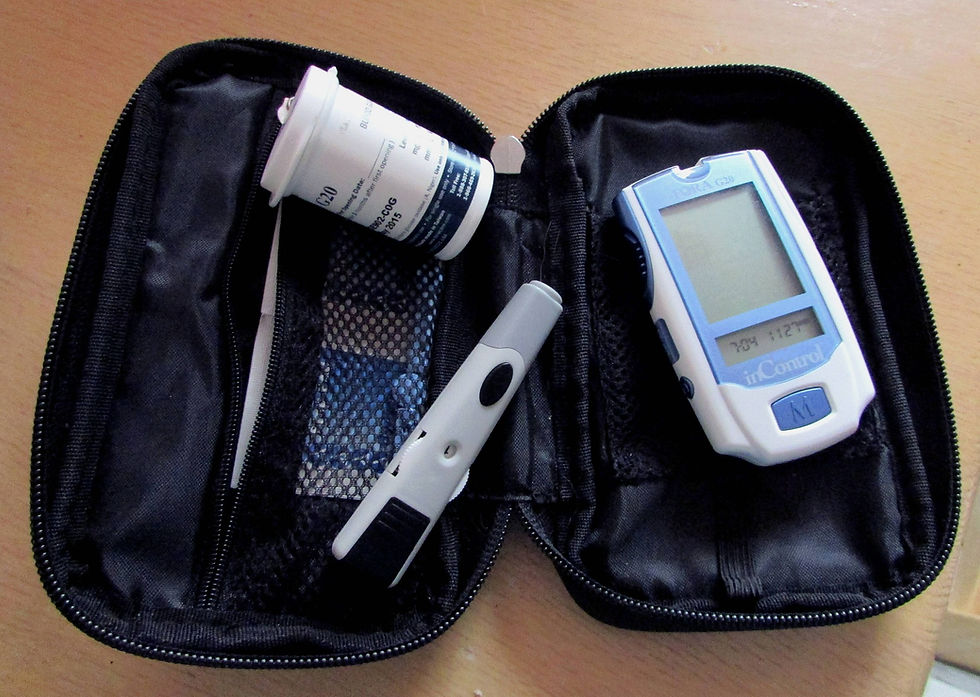
For example, a blood glucose meter used by diabetic patients must be tested regularly with control solutions to ensure it provides accurate readings. If the meter gives a result outside the expected range for the control solution, it signals a problem that needs fixing.
When Should You Use a Control Solution?
Knowing when to use a control solution depends on the context and the type of testing or measurement involved. Here are common scenarios:
1. Before Starting a New Batch of Tests
Testing instruments should be checked with control solutions before beginning a new series of measurements. This confirms that the device is functioning correctly and ready for accurate testing.
2. After Maintenance or Repairs
If equipment has been serviced, repaired, or recalibrated, use a control solution to verify that it still produces valid results.
3. Regular Quality Checks
Routine use of control solutions helps monitor instrument performance over time. For example, laboratories often run control solutions daily or weekly to catch any drift or inconsistencies early.
4. When Results Seem Unusual
If test results suddenly change or seem inconsistent, running a control solution can help determine if the problem lies with the instrument or the sample.
5. When Using New Reagents or Test Kits
New batches of reagents or test kits may vary slightly. Control solutions help verify that these new materials do not affect accuracy.

How to Use Control Solutions Effectively
To get the most from control solutions, follow these best practices:
Use the correct control solution for your specific instrument or test.
Store control solutions properly to maintain stability and prevent contamination.
Follow manufacturer instructions for preparation and use.
Record control solution results to track instrument performance over time.
Replace control solutions before their expiration date to ensure accuracy.
For example, glucose meter control solutions often come with specific instructions on how to apply the solution to the test strip and interpret the results. Ignoring these instructions can lead to misleading conclusions.
Examples of Control Solution Applications
Blood Glucose Monitoring: Diabetic patients use control solutions to check their glucose meters regularly. The control solution contains a known glucose level, so if the meter reads within the expected range, it confirms the device is working properly.
Water Quality Testing: Environmental labs use control solutions with known contaminant levels to verify that water testing kits detect pollutants accurately.
Food Industry: Control solutions help ensure that pH meters and other instruments used in food production provide consistent readings, maintaining product safety and quality.

Summary
Control solutions are essential tools for verifying the accuracy and reliability of measurement instruments and testing methods. They provide a stable reference point that helps detect errors, calibrate devices, and maintain quality standards. Use control solutions before starting tests, after equipment maintenance, during routine checks, when results seem off, and when using new reagents.


Comments