
Sleep and Blood Sugar: The Surprising Connection

Did you know that a bad night's sleep can send your blood sugar on a rollercoaster the very next day? If you're managing diabetes and struggling to keep your numbers steady, your sleep habits might be playing a bigger role than you think. The sleep blood sugar diabetes connection is real — and once you understand it, you can start making changes that truly help.
How Sleep Affects Your Blood Sugar Levels
When you don't get enough sleep, your body releases stress hormones like cortisol that can raise blood sugar levels. Poor sleep also makes your cells less responsive to insulin, which is called insulin resistance.
Short sleep can cause blood sugar spikes the next morning
Sleep deprivation increases cortisol, a hormone that raises glucose
Poor sleep reduces insulin sensitivity in your cells
Even one bad night can affect your readings the following day
Why People With Diabetes Often Struggle to Sleep
High or low blood sugar levels can actually disrupt your sleep, creating a frustrating cycle. Nighttime hypoglycemia, frequent urination, and nerve pain are common culprits that keep people with diabetes awake.
High blood sugar can cause frequent trips to the bathroom at night
Low blood sugar during sleep may cause sweating or nightmares
Diabetic neuropathy pain can make it hard to get comfortable
Anxiety about blood sugar levels can cause racing thoughts at bedtime
The Science Behind Sleep and Insulin Resistance
Research shows that adults who consistently sleep less than six hours per night have significantly higher risks of developing insulin resistance. Even healthy adults can experience blood sugar changes after just a few nights of poor sleep. This is why quality rest is considered a real part of diabetes management.
Simple Tips to Improve Your Sleep With Diabetes
Small, consistent changes to your bedtime routine can make a big difference in both your sleep quality and your blood sugar control. Think of good sleep hygiene as just another tool in your diabetes care toolkit.
Stick to a consistent bedtime and wake-up time every day
Keep your bedroom cool, dark, and quiet for better rest
Avoid heavy meals or sugary snacks close to bedtime
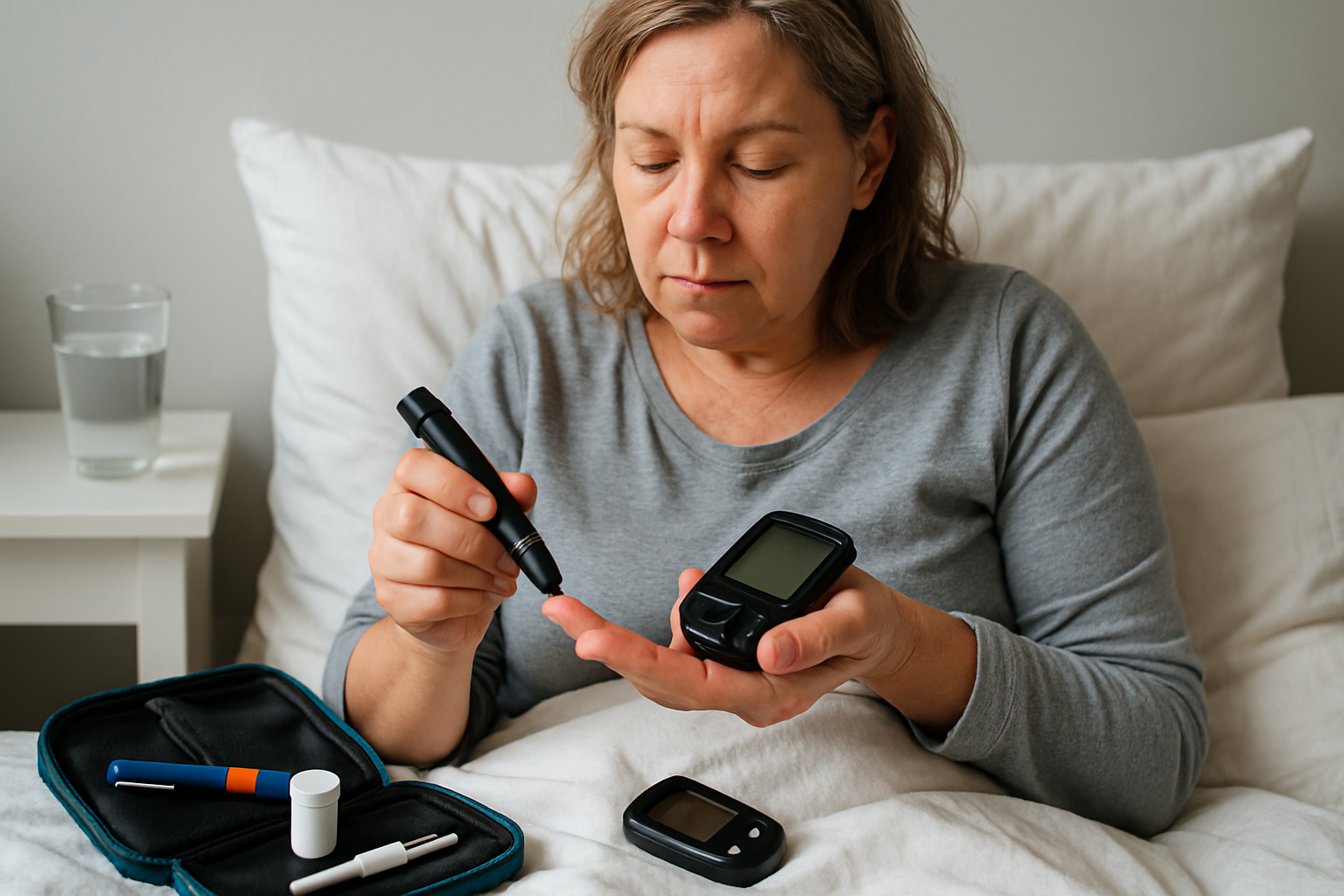
Check your blood sugar before bed to avoid overnight lows
Limit screen time in the hour before you go to sleep
How Blood Sugar Monitoring Can Help You Sleep Better
Checking your blood sugar before bed gives you peace of mind and helps you make smart adjustments to your routine. Knowing your levels are in a safe range makes it much easier to relax and fall asleep. Reliable monitoring supplies from MDS Diabetes can make this nightly check quick and stress-free.
When to Talk to Your Doctor About Sleep Problems
If you're doing everything right but still waking up with unexplained high or low blood sugar, it's time to speak with your healthcare team. Conditions like sleep apnea are extremely common in people with diabetes and can silently disrupt your glucose levels all night long. Your doctor can help identify whether a sleep disorder may be affecting your diabetes management.
Shop Diabetes Supplies at MDS Diabetes
At MDS Diabetes, we're here to make managing your diabetes a little easier every single day. From blood glucose monitors to continuous glucose monitoring supplies and everything in between, you'll find trusted products at great prices at mdsdiabetes.com. Have questions? Our friendly team is just a phone call away at (877) 861-3571 — we'd love to help you feel your best.
Comments