
Mastering the Diabetes Plate Method for Balanced Meals

Managing diabetes effectively often comes down to making smart food choices. One simple, practical way to do this is by using the Diabetes Plate Method. This method helps you create balanced meals that support blood sugar control without complicated counting or measuring. It guides you to fill your plate with the right portions of non-starchy vegetables, lean protein, and healthy carbohydrates. Understanding and applying this method can make meal planning easier and more enjoyable.

What Is the Diabetes Plate Method?
The Diabetes Plate Method is a visual tool designed to help people with diabetes build meals that balance nutrients and control blood sugar. Instead of focusing on calorie counting or complex nutrition labels, it uses a simple plate divided into three parts:
Half the plate with non-starchy vegetables
One quarter with lean protein
One quarter with healthy carbohydrates
This approach encourages nutrient-rich foods that provide fiber, vitamins, and minerals while keeping blood sugar levels steady.
Why Non-Starchy Vegetables Should Fill Half Your Plate
Non-starchy vegetables include leafy greens, broccoli, peppers, cucumbers, tomatoes, and more. These vegetables are low in calories and carbohydrates but high in fiber and nutrients. Filling half your plate with these foods helps you feel full and satisfied without causing blood sugar spikes.
Some examples of non-starchy vegetables to include:
Spinach, kale, and other leafy greens
Cauliflower and broccoli
Zucchini and summer squash
Bell peppers and tomatoes
Green beans and asparagus
These vegetables add color, texture, and flavor to your meal while supporting blood sugar control.
Choosing Lean Protein for One Quarter of Your Plate
Protein helps maintain muscle mass and keeps you feeling full longer. For people with diabetes, lean protein sources are best because they are lower in saturated fat, which supports heart health.
Good lean protein options include:
Skinless chicken or turkey breast
Fish such as salmon, cod, or tilapia
Plant-based proteins like tofu, tempeh, or legumes
Lean cuts of beef or pork, trimmed of fat
Eggs or low-fat dairy products
Including a variety of these proteins throughout the week can keep meals interesting and nutritious.
Filling One Quarter of Your Plate with Healthy Carbohydrates
Carbohydrates have the biggest impact on blood sugar, so choosing the right types and amounts is key. Healthy carbohydrates are high in fiber and have a lower glycemic index, meaning they raise blood sugar more slowly.
Examples of healthy carbs to include:
Whole grains like brown rice, quinoa, barley, or whole wheat pasta
Starchy vegetables such as sweet potatoes, corn, or peas
Legumes like lentils, chickpeas, and black beans
Fresh fruits in moderate portions
Avoid refined carbs like white bread, sugary snacks, and sweetened beverages, which can cause rapid blood sugar spikes.

Practical Tips for Using the Diabetes Plate Method
Use a standard 9-inch plate to help visualize portions easily.
Fill half the plate first with non-starchy vegetables to bulk up your meal.
Add your lean protein next, aiming for about the size of your palm.
Finish with healthy carbs to complete the plate.
Limit added fats and sauces that can add calories and affect blood sugar.
Drink water or unsweetened beverages with your meal.
Plan snacks and meals ahead to avoid last-minute choices that may not fit the method.
Sample Meals Using the Diabetes Plate Method
Grilled salmon with roasted Brussels sprouts and quinoa
Turkey stir-fry with mixed vegetables and brown rice
Vegetable omelet with a side of fresh fruit
Lentil salad with cucumbers, tomatoes, and a small baked sweet potato
Chicken breast with steamed green beans and whole wheat pasta
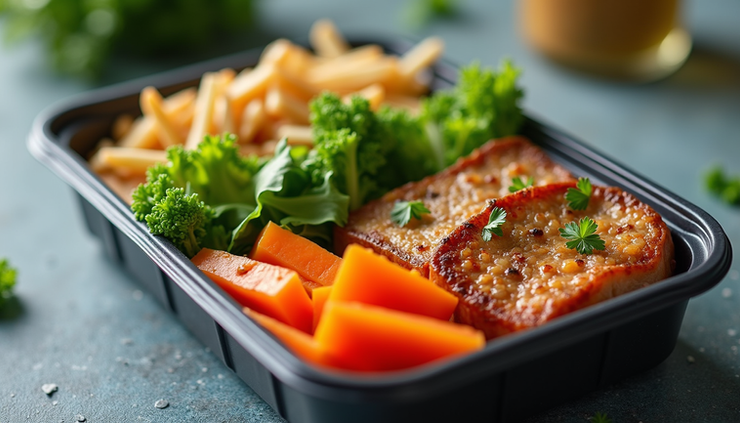
These examples show how flexible and varied meals can be while following the plate method.
Final Thoughts on the Diabetes Plate Method
The Diabetes Plate Method offers a straightforward way to build balanced meals that support blood sugar control and overall health. By focusing on filling half your plate with non-starchy vegetables, one quarter with lean protein, and one quarter with healthy carbohydrates, you can enjoy satisfying meals without stress.
Try using this method at your next meal and notice how it helps you make better food choices. Over time, it can become a natural part of your routine, helping you manage diabetes with confidence and ease.


Comments